The Rise of Generative AI: Transforming Creativity and Productivity
Discover practical strategies to improve your design process, save time, and deliver quality work more efficiently.
Tutorials
May 10, 2024
1. Introduction to Generative AI
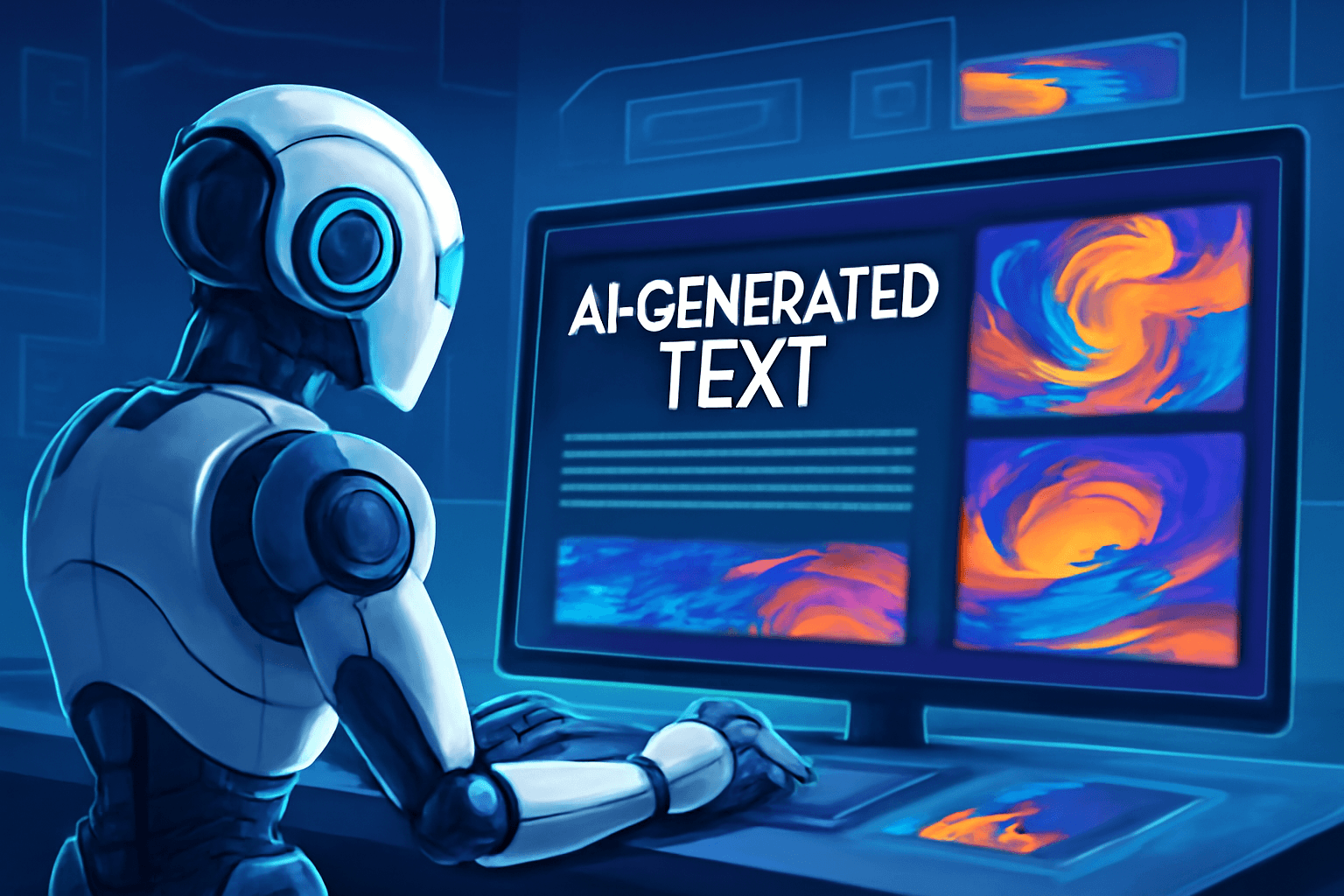
Generative AI consists of advanced machine learning models that create original content based on learned data patterns.
Examples include GPT for text generation and DALL-E for image creation.
These models generate relevant and coherent outputs, automating tasks like writing, designing, and multimedia production.
Unlike traditional AI that analyzes or predicts, generative AI actively produces new, creative content.
This technology revolutionizes creativity by augmenting human efforts and speeding up content generation processes.
2.Expanding Creative Horizons
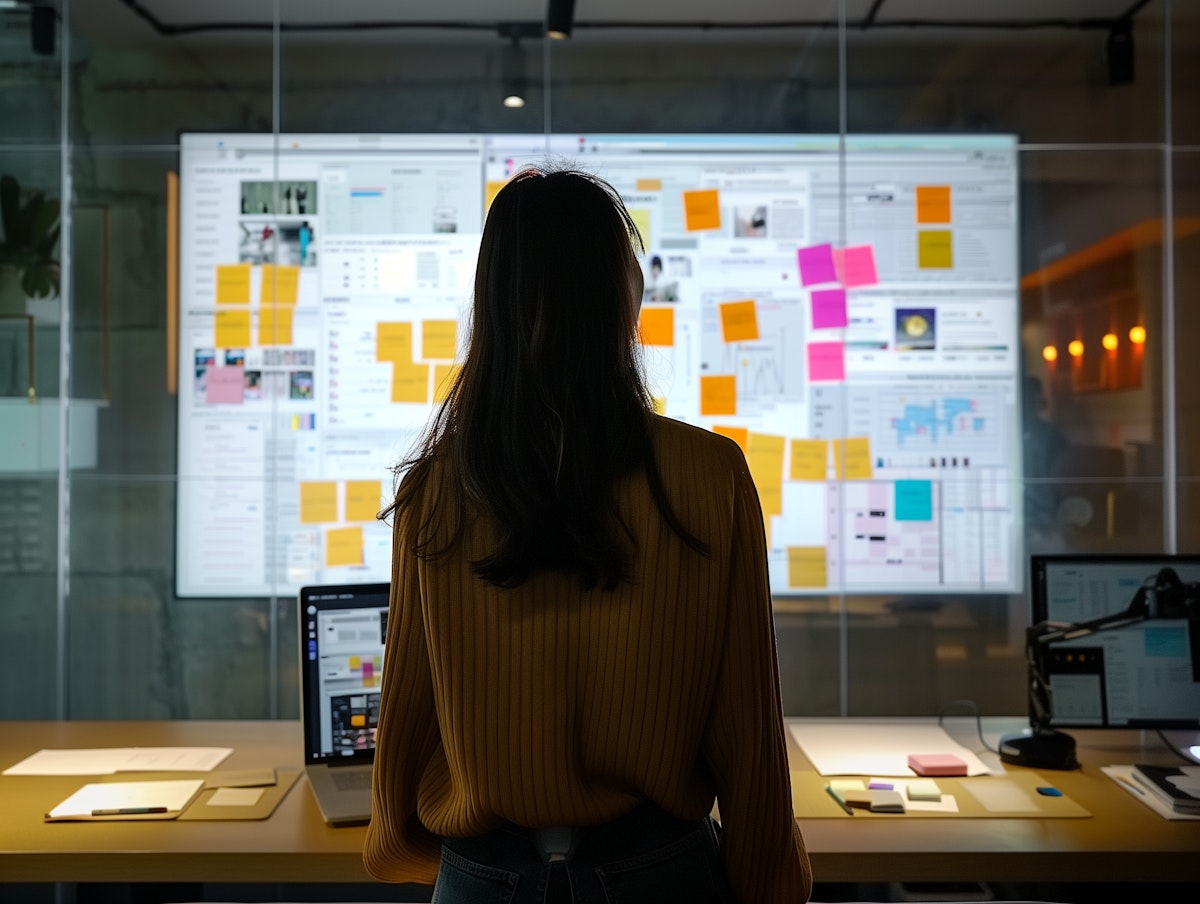
Generative AI enables creators to experiment with limitless artistic styles, formats, and concepts—expanding the possibilities far beyond manual methods.
Artists, writers, and designers can generate multiple iterations of their work instantly, fueling innovation and creative exploration.
AI can assist with brainstorming, suggesting new directions or content variations that spark fresh ideas.
By automating tedious creative steps, generative AI allows professionals to focus on refining and perfecting their most impactful work.
The technology empowers individuals and teams without technical skills to produce high-quality content, making creativity more accessible.

3. Boosting Productivity with Automation
Generative AI automates repetitive tasks like drafting content, designing layouts, or editing images—saving valuable time.
By streamlining workflows, it enables teams to prioritize strategic, high-impact work rather than manual production.
AI-powered tools can quickly generate variants of documents, graphics, or code, improving efficiency and output speed.
Enhanced productivity lets organizations scale creative operations without significantly increasing resources.
Professionals benefit from faster turnaround and reduced burnout, freeing them to focus on big-picture ideas and decision-making.4. Assign Tasks and Responsibilities Clearly
Explain how defining roles and responsibilities prevents bottlenecks and ensures accountability.
Suggest using project management tools to track assignments and deadlines.


4.Ethical Considerations and Challenges
Generative AI introduces important questions around ownership—who controls the rights to AI-generated creations?
Bias embedded in training data can influence outputs, leading to ethical challenges in fairness and inclusivity.
There's a growing concern about the authenticity and originality of AI-generated content, especially in news, art, or media.
Responsible AI usage requires clear policies and transparency to ensure accountability and trust.
Organizations must address these issues proactively to maximize benefits while minimizing unintended consequences.

More to Discover
The Rise of Generative AI: Transforming Creativity and Productivity
Discover practical strategies to improve your design process, save time, and deliver quality work more efficiently.
Tutorials
May 10, 2024
1. Introduction to Generative AI
Generative AI consists of advanced machine learning models that create original content based on learned data patterns.
Examples include GPT for text generation and DALL-E for image creation.
These models generate relevant and coherent outputs, automating tasks like writing, designing, and multimedia production.
Unlike traditional AI that analyzes or predicts, generative AI actively produces new, creative content.
This technology revolutionizes creativity by augmenting human efforts and speeding up content generation processes.
2.Expanding Creative Horizons
Generative AI enables creators to experiment with limitless artistic styles, formats, and concepts—expanding the possibilities far beyond manual methods.
Artists, writers, and designers can generate multiple iterations of their work instantly, fueling innovation and creative exploration.
AI can assist with brainstorming, suggesting new directions or content variations that spark fresh ideas.
By automating tedious creative steps, generative AI allows professionals to focus on refining and perfecting their most impactful work.
The technology empowers individuals and teams without technical skills to produce high-quality content, making creativity more accessible.
3. Boosting Productivity with Automation
Generative AI automates repetitive tasks like drafting content, designing layouts, or editing images—saving valuable time.
By streamlining workflows, it enables teams to prioritize strategic, high-impact work rather than manual production.
AI-powered tools can quickly generate variants of documents, graphics, or code, improving efficiency and output speed.
Enhanced productivity lets organizations scale creative operations without significantly increasing resources.
Professionals benefit from faster turnaround and reduced burnout, freeing them to focus on big-picture ideas and decision-making.4. Assign Tasks and Responsibilities Clearly
Explain how defining roles and responsibilities prevents bottlenecks and ensures accountability.
Suggest using project management tools to track assignments and deadlines.
4.Ethical Considerations and Challenges
Generative AI introduces important questions around ownership—who controls the rights to AI-generated creations?
Bias embedded in training data can influence outputs, leading to ethical challenges in fairness and inclusivity.
There's a growing concern about the authenticity and originality of AI-generated content, especially in news, art, or media.
Responsible AI usage requires clear policies and transparency to ensure accountability and trust.
Organizations must address these issues proactively to maximize benefits while minimizing unintended consequences.
More to Discover
The Rise of Generative AI: Transforming Creativity and Productivity
Discover practical strategies to improve your design process, save time, and deliver quality work more efficiently.
Tutorials
May 10, 2024
1. Introduction to Generative AI
Generative AI consists of advanced machine learning models that create original content based on learned data patterns.
Examples include GPT for text generation and DALL-E for image creation.
These models generate relevant and coherent outputs, automating tasks like writing, designing, and multimedia production.
Unlike traditional AI that analyzes or predicts, generative AI actively produces new, creative content.
This technology revolutionizes creativity by augmenting human efforts and speeding up content generation processes.
2.Expanding Creative Horizons
Generative AI enables creators to experiment with limitless artistic styles, formats, and concepts—expanding the possibilities far beyond manual methods.
Artists, writers, and designers can generate multiple iterations of their work instantly, fueling innovation and creative exploration.
AI can assist with brainstorming, suggesting new directions or content variations that spark fresh ideas.
By automating tedious creative steps, generative AI allows professionals to focus on refining and perfecting their most impactful work.
The technology empowers individuals and teams without technical skills to produce high-quality content, making creativity more accessible.
3. Boosting Productivity with Automation
Generative AI automates repetitive tasks like drafting content, designing layouts, or editing images—saving valuable time.
By streamlining workflows, it enables teams to prioritize strategic, high-impact work rather than manual production.
AI-powered tools can quickly generate variants of documents, graphics, or code, improving efficiency and output speed.
Enhanced productivity lets organizations scale creative operations without significantly increasing resources.
Professionals benefit from faster turnaround and reduced burnout, freeing them to focus on big-picture ideas and decision-making.4. Assign Tasks and Responsibilities Clearly
Explain how defining roles and responsibilities prevents bottlenecks and ensures accountability.
Suggest using project management tools to track assignments and deadlines.
4.Ethical Considerations and Challenges
Generative AI introduces important questions around ownership—who controls the rights to AI-generated creations?
Bias embedded in training data can influence outputs, leading to ethical challenges in fairness and inclusivity.
There's a growing concern about the authenticity and originality of AI-generated content, especially in news, art, or media.
Responsible AI usage requires clear policies and transparency to ensure accountability and trust.
Organizations must address these issues proactively to maximize benefits while minimizing unintended consequences.