Machine Learning Uncovered: Foundations, Algorithms, and Real-World Impact
Learn how typography can make or break your website and discover tips for choosing the right fonts to create impact and readability.
Insights
Sep 11, 2024
1. Introduction to Machine Learning
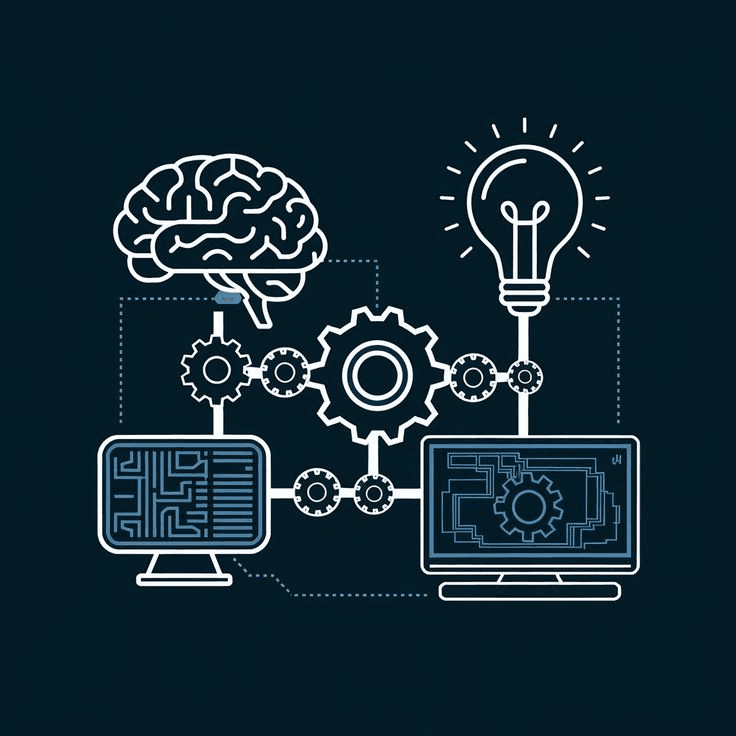
Machine learning is a type of artificial intelligence that enables computers to learn from data and improve their performance over time without being explicitly programmed.
The process involves feeding large datasets into algorithms that detect patterns, make predictions, or automate decision-making.
Key terms include training, testing, features, and labels.
Machine learning is used in diverse industries—from healthcare and finance to retail and manufacturing.

2. Types of Machine Learning
Supervised Learning: Algorithms train on labeled data to predict outcomes (e.g., spam detection, image classification).
Unsupervised Learning: Algorithms discover patterns in unlabeled data (e.g., customer segmentation).
Reinforcement Learning: Systems learn by trial and error, receiving feedback for their actions (e.g., autonomous vehicles, game playing).
Semi-supervised & Transfer Learning: Hybrid approaches that leverage both labeled and unlabeled data or reusable models.

3. Essential Algorithms
Popular algorithms include Linear Regression, Decision Trees, Support Vector Machines (SVM), and Neural Networks.
Each algorithm is suited for different tasks, depending on factors like data type, volume, and problem complexity.
Model accuracy and interpretability are key criteria for choosing the right algorithm.
Experimenting with multiple algorithms is crucial for finding the best solution for a given problem.

4. Applications of Machine Learning
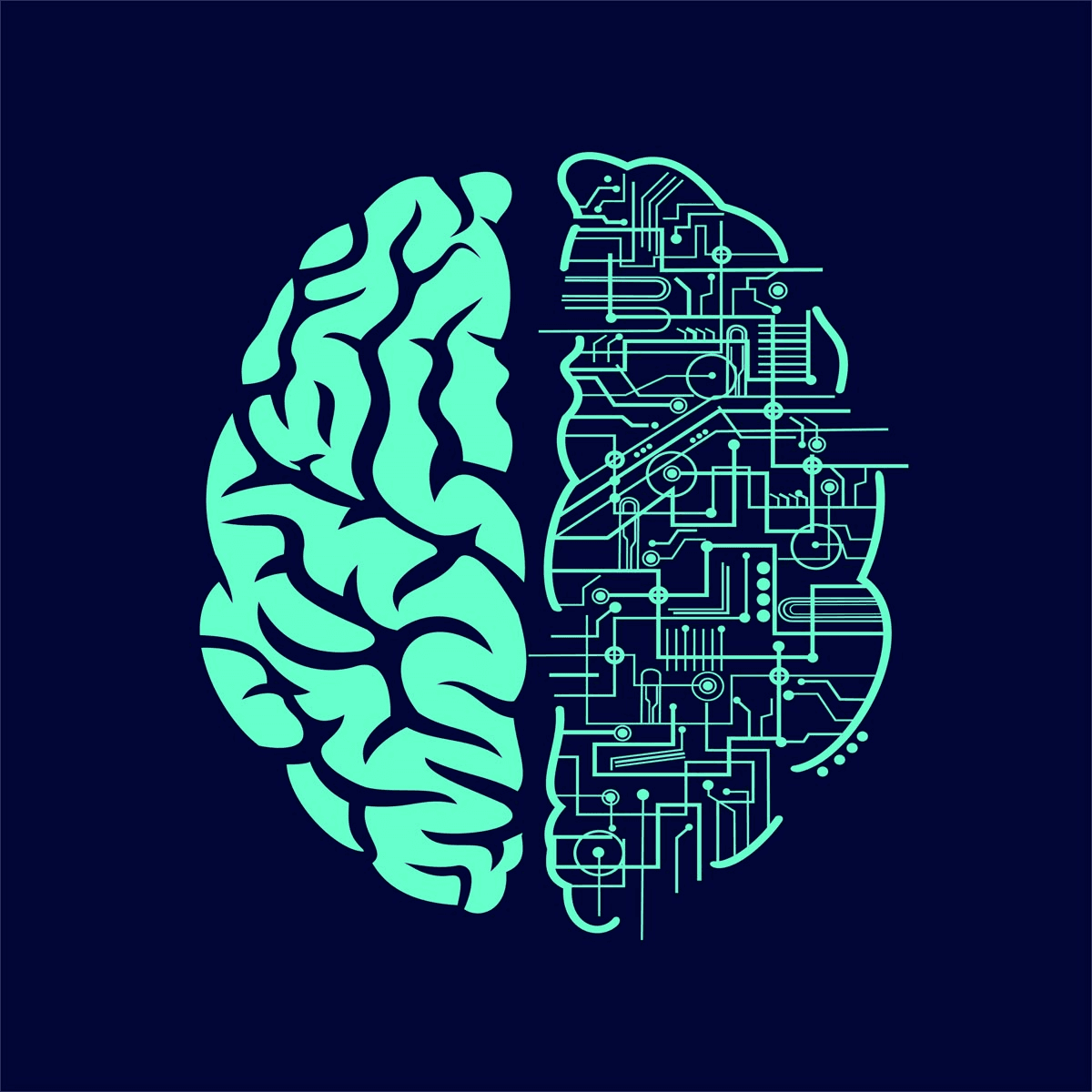
E-commerce companies use ML for recommendation engines and personalized shopping experiences.
In healthcare, ML models detect diseases, predict patient risks, and optimize treatments.
Financial institutions deploy ML for fraud detection, credit scoring, and algorithmic trading.
Social media platforms leverage ML for content moderation, user engagement, and sentiment analysis.e.

More to Discover


Machine Learning Uncovered: Foundations, Algorithms, and Real-World Impact
Learn how typography can make or break your website and discover tips for choosing the right fonts to create impact and readability.
Insights
Sep 11, 2024
1. Introduction to Machine Learning
Machine learning is a type of artificial intelligence that enables computers to learn from data and improve their performance over time without being explicitly programmed.
The process involves feeding large datasets into algorithms that detect patterns, make predictions, or automate decision-making.
Key terms include training, testing, features, and labels.
Machine learning is used in diverse industries—from healthcare and finance to retail and manufacturing.
2. Types of Machine Learning
Supervised Learning: Algorithms train on labeled data to predict outcomes (e.g., spam detection, image classification).
Unsupervised Learning: Algorithms discover patterns in unlabeled data (e.g., customer segmentation).
Reinforcement Learning: Systems learn by trial and error, receiving feedback for their actions (e.g., autonomous vehicles, game playing).
Semi-supervised & Transfer Learning: Hybrid approaches that leverage both labeled and unlabeled data or reusable models.
3. Essential Algorithms
Popular algorithms include Linear Regression, Decision Trees, Support Vector Machines (SVM), and Neural Networks.
Each algorithm is suited for different tasks, depending on factors like data type, volume, and problem complexity.
Model accuracy and interpretability are key criteria for choosing the right algorithm.
Experimenting with multiple algorithms is crucial for finding the best solution for a given problem.
4. Applications of Machine Learning
E-commerce companies use ML for recommendation engines and personalized shopping experiences.
In healthcare, ML models detect diseases, predict patient risks, and optimize treatments.
Financial institutions deploy ML for fraud detection, credit scoring, and algorithmic trading.
Social media platforms leverage ML for content moderation, user engagement, and sentiment analysis.e.
More to Discover
Machine Learning Uncovered: Foundations, Algorithms, and Real-World Impact
Learn how typography can make or break your website and discover tips for choosing the right fonts to create impact and readability.
Insights
Sep 11, 2024
1. Introduction to Machine Learning
Machine learning is a type of artificial intelligence that enables computers to learn from data and improve their performance over time without being explicitly programmed.
The process involves feeding large datasets into algorithms that detect patterns, make predictions, or automate decision-making.
Key terms include training, testing, features, and labels.
Machine learning is used in diverse industries—from healthcare and finance to retail and manufacturing.
2. Types of Machine Learning
Supervised Learning: Algorithms train on labeled data to predict outcomes (e.g., spam detection, image classification).
Unsupervised Learning: Algorithms discover patterns in unlabeled data (e.g., customer segmentation).
Reinforcement Learning: Systems learn by trial and error, receiving feedback for their actions (e.g., autonomous vehicles, game playing).
Semi-supervised & Transfer Learning: Hybrid approaches that leverage both labeled and unlabeled data or reusable models.
3. Essential Algorithms
Popular algorithms include Linear Regression, Decision Trees, Support Vector Machines (SVM), and Neural Networks.
Each algorithm is suited for different tasks, depending on factors like data type, volume, and problem complexity.
Model accuracy and interpretability are key criteria for choosing the right algorithm.
Experimenting with multiple algorithms is crucial for finding the best solution for a given problem.
4. Applications of Machine Learning
E-commerce companies use ML for recommendation engines and personalized shopping experiences.
In healthcare, ML models detect diseases, predict patient risks, and optimize treatments.
Financial institutions deploy ML for fraud detection, credit scoring, and algorithmic trading.
Social media platforms leverage ML for content moderation, user engagement, and sentiment analysis.e.