Mastering MLOps: Streamlining Machine Learning Deployment and Operations
Explore the foundational principles of UI/UX design that create seamless and enjoyable experiences for users.
Resources
Mar 30, 2025
1. What is MLOps?
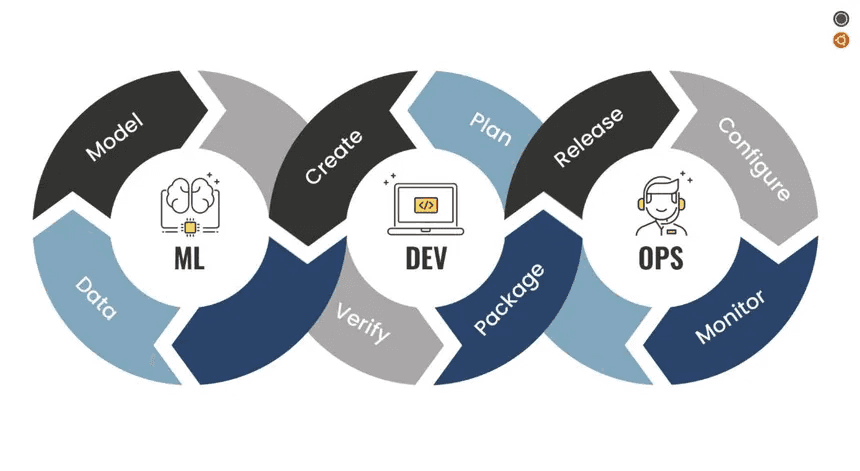
MLOps combines machine learning with DevOps practices to streamline the deployment, monitoring, and management of ML models.
It bridges the gap between data science and production engineering, ensuring ML models deliver business value at scale.
Core principles include automation, collaboration, and continuous improvement in the ML lifecycle.
MLOps covers everything from model development and testing to deployment and updates.

2. Key Components of MLOps
Version Control: Tracking changes in data, code, and models for reproducibility and auditing.
Automated Testing: Validating models through systematic checks to ensure reliability and accuracy.
Continuous Integration/Continuous Deployment (CI/CD): Automatically building, testing, and releasing ML models to production.
Monitoring & Logging: Observing model performance, data drift, and operational metrics in real time.

3. Benefits of MLOps
Speeds up the deployment process, allowing for rapid delivery of new ML features and updates.
Enhances collaboration between data scientists, engineers, and business teams.
Mitigates risks like model decay, data drift, and operational failures through proactive monitoring.
Improves scalability, reliability, and governance of ML systems across an organization.


4. Real-world Applications
E-commerce businesses implement MLOps to update recommendation algorithms seamlessly.
Financial institutions use MLOps for deploying fraud detection models and ensuring compliance.
Healthcare providers manage predictive analytics pipelines for patient monitoring and diagnostics.
Enterprises leverage MLOps to automate customer segmentation, personalization, and predictive maintenance.

More to Discover


Mastering MLOps: Streamlining Machine Learning Deployment and Operations
Explore the foundational principles of UI/UX design that create seamless and enjoyable experiences for users.
Resources
Mar 30, 2025
1. What is MLOps?
MLOps combines machine learning with DevOps practices to streamline the deployment, monitoring, and management of ML models.
It bridges the gap between data science and production engineering, ensuring ML models deliver business value at scale.
Core principles include automation, collaboration, and continuous improvement in the ML lifecycle.
MLOps covers everything from model development and testing to deployment and updates.
2. Key Components of MLOps
Version Control: Tracking changes in data, code, and models for reproducibility and auditing.
Automated Testing: Validating models through systematic checks to ensure reliability and accuracy.
Continuous Integration/Continuous Deployment (CI/CD): Automatically building, testing, and releasing ML models to production.
Monitoring & Logging: Observing model performance, data drift, and operational metrics in real time.
3. Benefits of MLOps
Speeds up the deployment process, allowing for rapid delivery of new ML features and updates.
Enhances collaboration between data scientists, engineers, and business teams.
Mitigates risks like model decay, data drift, and operational failures through proactive monitoring.
Improves scalability, reliability, and governance of ML systems across an organization.
4. Real-world Applications
E-commerce businesses implement MLOps to update recommendation algorithms seamlessly.
Financial institutions use MLOps for deploying fraud detection models and ensuring compliance.
Healthcare providers manage predictive analytics pipelines for patient monitoring and diagnostics.
Enterprises leverage MLOps to automate customer segmentation, personalization, and predictive maintenance.
More to Discover
Mastering MLOps: Streamlining Machine Learning Deployment and Operations
Explore the foundational principles of UI/UX design that create seamless and enjoyable experiences for users.
Resources
Mar 30, 2025
1. What is MLOps?
MLOps combines machine learning with DevOps practices to streamline the deployment, monitoring, and management of ML models.
It bridges the gap between data science and production engineering, ensuring ML models deliver business value at scale.
Core principles include automation, collaboration, and continuous improvement in the ML lifecycle.
MLOps covers everything from model development and testing to deployment and updates.
2. Key Components of MLOps
Version Control: Tracking changes in data, code, and models for reproducibility and auditing.
Automated Testing: Validating models through systematic checks to ensure reliability and accuracy.
Continuous Integration/Continuous Deployment (CI/CD): Automatically building, testing, and releasing ML models to production.
Monitoring & Logging: Observing model performance, data drift, and operational metrics in real time.
3. Benefits of MLOps
Speeds up the deployment process, allowing for rapid delivery of new ML features and updates.
Enhances collaboration between data scientists, engineers, and business teams.
Mitigates risks like model decay, data drift, and operational failures through proactive monitoring.
Improves scalability, reliability, and governance of ML systems across an organization.
4. Real-world Applications
E-commerce businesses implement MLOps to update recommendation algorithms seamlessly.
Financial institutions use MLOps for deploying fraud detection models and ensuring compliance.
Healthcare providers manage predictive analytics pipelines for patient monitoring and diagnostics.
Enterprises leverage MLOps to automate customer segmentation, personalization, and predictive maintenance.